
Supreme Court Curbs Tariff Powers, Trump Moves Ahead With Increase
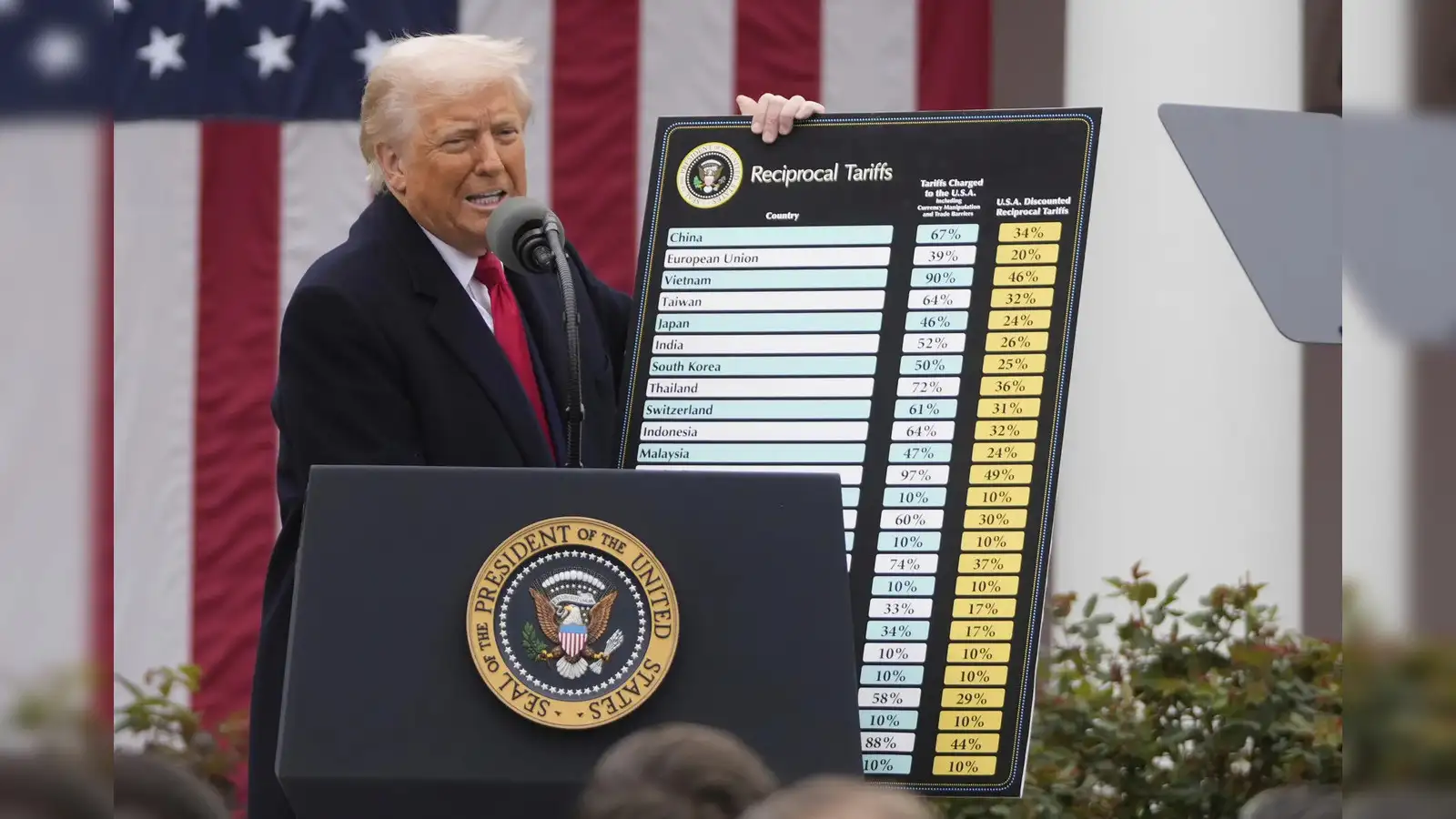
Trump Raises Global Tariffs to 15% Despite Supreme Court Ruling: In a move that has intensified global trade uncertainty, US President Donald Trump announced an immediate increase in global tariffs from 10 percent to 15 percent, calling the decision “legally correct” and necessary to safeguard American interests.
The announcement came just one day after the Supreme Court of the United States delivered a significant ruling limiting the president’s authority to impose sweeping tariffs under emergency powers.
Trump Defends Tariff Increase
Posting on his social media platform Truth Social, Trump said he would “immediately increase the 10% global tariffs to 15%,” arguing that the United States had been economically disadvantaged by other countries for decades.
He emphasized that the 15 percent tariff is “fully legally approved” and has undergone proper legal vetting. Trump also stated that his administration would use the full limit allowed under current law while working within a 150-day period to craft new, legally sound tariff regulations.
According to the president, the move is aimed at reversing what he described as years of unfair trade practices targeting the United States.
Supreme Court Ruling
The tariff announcement follows a 6–3 ruling by the Supreme Court, which found that the president does not have unlimited authority to impose tariffs on all imports under the International Emergency Economic Powers Act.
The court concluded that the emergency law cited by the administration does not grant broad powers to impose sweeping global import duties, dealing a setback to the White House’s trade strategy.
India Responds Cautiously
India issued its first official reaction on Saturday. The Ministry of Commerce and Industry stated that it is closely monitoring the situation and studying Washington’s next policy steps before taking a definitive public stance.
In a separate clarification, a White House official said that India and other US trading partners that had negotiated tariff arrangements prior to the court’s ruling would, for now, face a 10 percent duty. This applies even to countries that had previously agreed to higher tariff terms.
What Comes Next?
The developments have added fresh uncertainty to global markets and international trade relations. While the administration insists the 15 percent tariff is within legal bounds, the Supreme Court’s decision raises questions about the durability of the policy.
With a 150-day window to establish revised and legally compliant tariff rules, the coming months could prove crucial for US trade policy — and for countries like India that are closely tied to American markets.
As legal and political debates continue, businesses and global partners are watching carefully to see how Washington navigates the evolving trade landscape.
ALSO READ: