
US Withdraws from Over 65 Global Bodies, Signaling Sharp Turn Away from Multilateralism
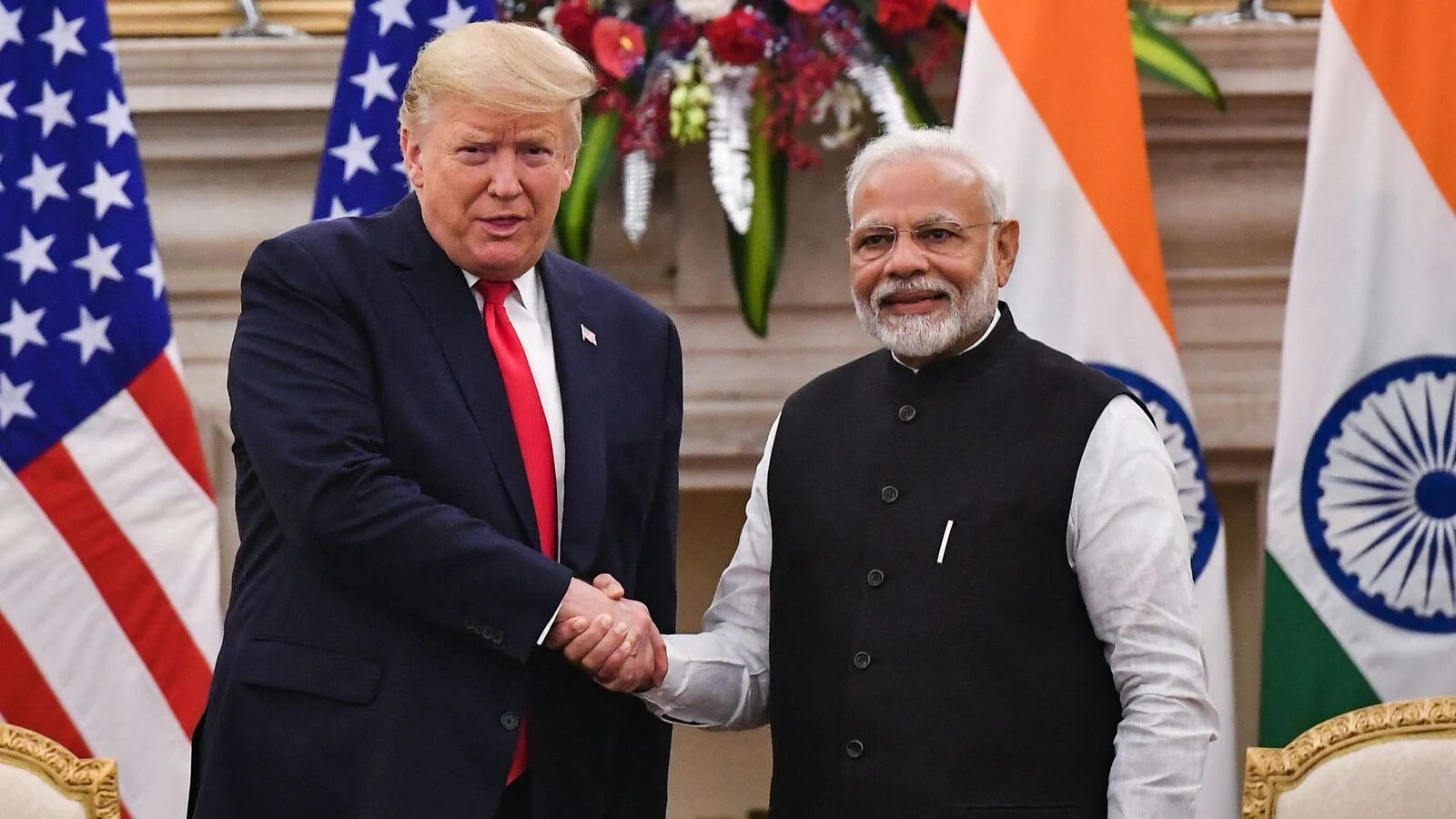
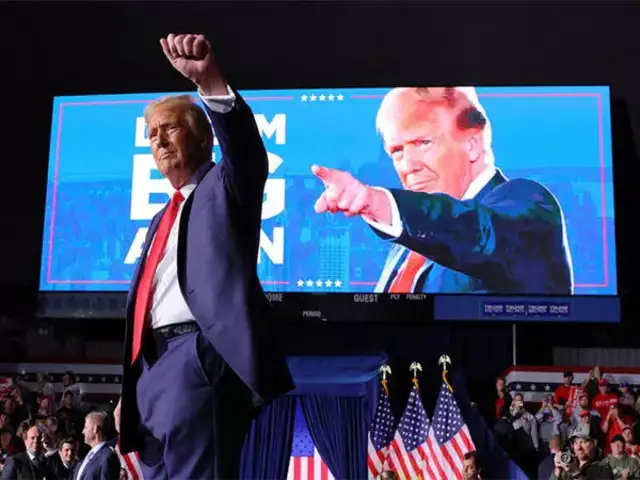
Trump’s Exit from 65 Global Forums and What It Means for India: In a move that could reshape the architecture of global governance, US President Donald Trump has announced the United States’ withdrawal from more than 65 international organizations, reaffirming his administration’s preference for sovereignty and national self-interest over multilateral cooperation.
The decision, formalized through a presidential memorandum, applies to 35 non-UN organizations and 31 entities affiliated with the United Nations. These bodies operate across critical areas such as climate change, clean energy, development, population, and water management. According to the White House, many of these institutions are “ineffective” and promote what the administration calls a “globalist agenda” that undermines US economic and political autonomy.
Among the most symbolic exits is the United States’ withdrawal from the International Solar Alliance (ISA), a flagship initiative jointly led by India and France. Established to promote solar energy and climate cooperation among developing countries, the ISA has been viewed as a cornerstone of global clean-energy diplomacy. Washington’s departure raises serious questions about America’s commitment to international climate action and renewable energy efforts.
Defending the decision, US Secretary of State Marco Rubio stated that the United States would no longer fund what he described as “bureaucratic and anti-American institutions.” He argued that the move was necessary to protect American taxpayers’ “hard-earned money” and to prevent foreign bodies from influencing domestic policy. His remarks underscore the administration’s view that this withdrawal is not merely financial, but ideological.
The memorandum repeatedly emphasizes the concept of “sovereignty,” reflecting the administration’s belief that international organizations exert undue pressure on national decision-making. From climate regulations to gender and social policies, the Trump administration sees global standard-setting as an intrusion into domestic affairs.
The impact on the United Nations system could be significant. Several UN-affiliated institutions focused on development, energy, and population issues rely heavily on US funding and political backing. Experts warn that reduced American participation could weaken these bodies, with the most severe consequences felt in the Global South, where many countries depend on UN platforms for development assistance and international advocacy.
For India and France, the US withdrawal from the International Solar Alliance is both a setback and an opportunity. While the absence of the world’s largest economy may reduce the alliance’s immediate influence, New Delhi and Paris now have a chance to reinforce their leadership and demonstrate that global cooperation on climate and energy can continue without Washington’s involvement.
Analysts caution against dismissing the move as a temporary or personality-driven decision. Instead, they see it as part of a broader shift toward a more fragmented and competitive global order, where bilateral deals and power-based politics may increasingly replace multilateral frameworks.
America’s exit from more than 65 international organizations sends a clear signal that Washington is stepping back from its traditional role as a pillar of the rules-based global system. Whether other nations can fill this leadership vacuum—or whether global cooperation itself will be weakened—remains an open question. What is certain is that this decision may mark a turning point in international politics, with long-lasting implications for global governance.
ALSO READ: Numerology Number 5 Personality