
Somnath Jyotirlinga: The First Abode of Lord Shiva and a Timeless Symbol of Faith
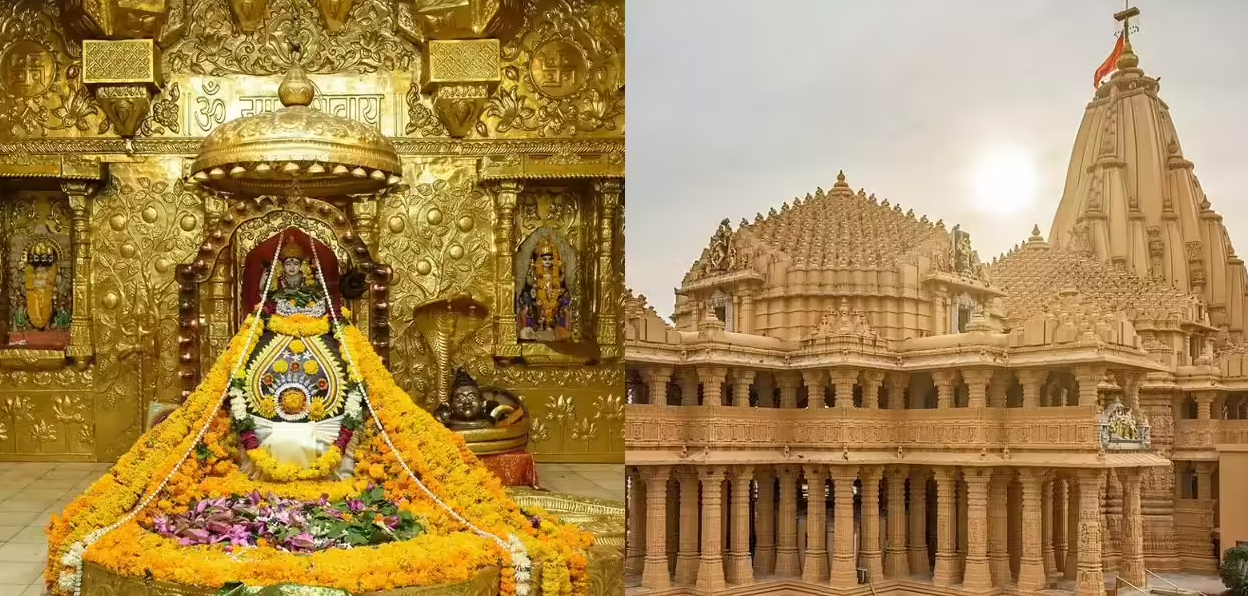
The 12 Jyotirlingas of Lord Shiva are considered among the most sacred places in Hinduism. Somnath Jyotirlinga holds the first place among them. Located on the banks of the Arabian Sea near Veraval (Prabhas Patan) in the Saurashtra region of Gujarat, this temple is not only a center of faith but also a symbol of Shiva’s infinite energy and the immortality of Indian civilization. Texts like the Jnana Samhita (Chapter 13) of the Shiva Purana and the Skanda Purana place Somnath at the top of the list of Jyotirlingas.
Origin of the Somnath Shivalinga
- According to Shiva Purana, Chandradev (Moon God) was cursed by Daksha for favoring his wife Rohini, causing the moon to lose its brightness.
- Brahma advised Chandradev to perform penance at Prabhas Kshetra on the banks of the Saraswati River.
- Chandradev fashioned a Shivalinga from clay, chanted the Mahamrityunjaya Mantra, and worshipped Lord Shiva.
- Pleased with his devotion, Lord Shiva appeared as a light, freed Chandradev from the curse, and agreed to reside there as Somnath (Lord of the Moon).
- Somnath is thus a Swayambhu (self-manifested) Jyotirlinga.
Historical Rebuildings
- The original temple was rebuilt multiple times:
- Chandradev: Gold
- Ravana: Silver
- Lord Krishna: Sandalwood
- Bhimdev: Stone
- Famous rulers like Raja Bhimdev, Kumarpal, and Ahilyabai Holkar rebuilt it after repeated destructions.
Scriptural and Cultural Importance
- Rigveda: Mentions Prabhas Kshetra and Chandradev’s penance.
- Mahabharata, Srimad Bhagavata Purana, Skanda Purana: Highlight its spiritual significance.
- Lord Krishna: Spent his final days at Somnath; his mortal remains were cremated at Triveni Sangam.
- Triveni Sangam: Confluence of Hiran, Kapila, and Saraswati rivers; bathing here is believed to wash away sins and grant salvation.
The Arrow Pillar Mystery
- Arrow Pillar (Baan Stambh): Faces the sea and bears a Sanskrit inscription:
“Asamudrant Dakshin Dhruv Paryanta Abadhrit Jyotir Marg” - Meaning: No land lies in a straight line from Somnath to the South Pole (Antarctica).
- Demonstrates ancient Indian knowledge of geography and astronomy.
- Believed to date back to the 6th century.
Destruction and Rebuilding
- 17 times destroyed, including:
- 1026 AD by Mahmud of Ghaznavi (approx. 20 million dinars looted)
- Later by Alauddin Khilji, Muzaffar Shah, Aurangzeb
- Rebuilt repeatedly by Indian kings and devotees.
- Post-Independence: Sardar Vallabhbhai Patel oversaw reconstruction in 1947.
- Public donations: Temple rebuilt without state funds on Mahatma Gandhi’s advice.
- Present temple: Dedicated on May 11, 1951, by President Dr. Rajendra Prasad.
- Architecture: Maru-Gurjar style with a 155-foot-high spire.
Significance
- Somnath is a living symbol of faith, resilience, and Indian culture.
- Visiting the temple brings:
- Peace of mind
- Salvation from sins
- Happiness and prosperity
- Beyond being a temple, Somnath represents India’s endurance and spiritual legacy.
ALSO READ: Why Pongal Is Celebrated In India