
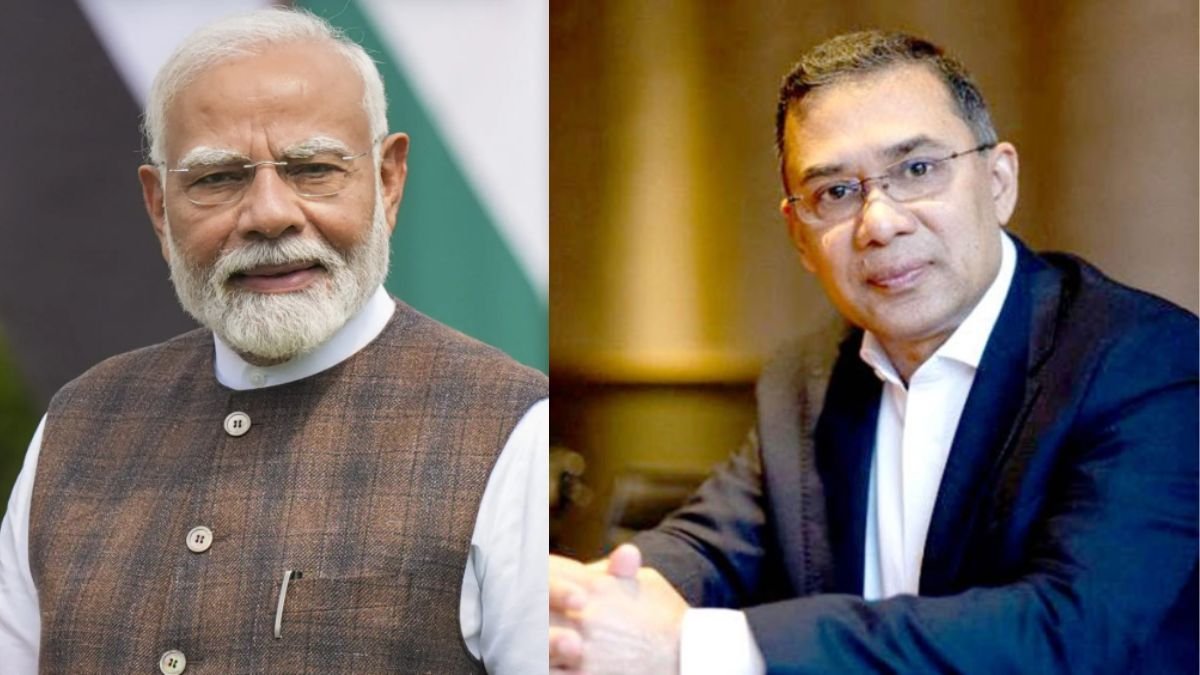
Tarique Rahman Set to Lead Bangladesh, India Signals Cooperation
PM Modi Congratulates Tarique Rahman, Signals Fresh Start in India-Bangladesh Ties: The recent general election in Bangladesh has brought a major political shift. The Bangladesh Nationalist Party (BNP) has emerged as the largest party, while Jamaat-e-Islami has failed to secure a majority. In the absence of the Awami League, the country is entering a new political phase.
BNP leader Tarique Rahman, son of former Prime Minister Khaleda Zia, is set to become the next Prime Minister.
For India, the results are not necessarily bad news. In fact, they may offer new opportunities.
Soon after the results were announced, Prime Minister Narendra Modi congratulated Tarique Rahman and expressed hope for stronger cooperation between the two countries. His message highlighted India’s commitment to a democratic and progressive Bangladesh and its desire to strengthen bilateral ties.
Why the Results May Not Be Bad for India
1. Jamaat Not Getting Majority Brings Relief
From a security perspective, Jamaat failing to secure a majority is seen as a relief for India. The party has often been viewed as having hardline positions and a history of anti-India rhetoric. A stronger Jamaat presence could have increased concerns about border security and radical influence. Since it did not win a majority, fears of immediate instability are reduced.
2. Bangladesh’s Economic Crisis Needs Cooperation
Bangladesh is currently facing economic pressure — falling foreign exchange reserves, export challenges, and inflation. The new BNP government will likely focus on stabilizing the economy. India is one of Bangladesh’s largest trade partners and has invested nearly $5 billion in various projects, including power supply, railways, roads, and energy pipelines. Continuing these partnerships will be important for Dhaka’s recovery.
3. India Kept Communication Channels Open
New Delhi has maintained diplomatic communication with BNP leaders over the past few years. This means relations are unlikely to face sudden tension. Even after political changes, both sides appear prepared to maintain dialogue and cooperation.
4. Strong Economic and Connectivity Links
India and Bangladesh share deep economic and regional connectivity ties. Railways, waterways, road links, and border trade markets benefit both nations. Bangladesh also plays a crucial role in connecting India’s Northeast to the rest of the region. Stopping these projects would hurt Bangladesh’s own economy, making continued cooperation the practical choice.
5. Changing Global Politics Requires Balance
With rising competition in the Indo-Pacific and China increasing its influence in the region, Bangladesh will need to maintain strategic balance. India remains an important and stable regional partner in areas such as energy, maritime security, and disaster management.
The Road Ahead
While the results are not a complete comfort for India, they are also not alarming. The BNP appears pragmatic, and economic realities may push Dhaka toward cooperation rather than confrontation. However, Jamaat’s presence as a strong opposition force could still influence politics in the future.
For India, the key will be patience, careful diplomacy, and continuing its “Neighborhood First” approach — just as it has done in countries like Afghanistan, Maldives, and Sri Lanka.
A new chapter is beginning in India–Bangladesh relations, and both nations now have an opportunity to shape it positively.
ALSO READ: Which Zodiac Signs Is Gold Auspicious