
The Spiritual Significance of the First and Last Roti in Indian Homes
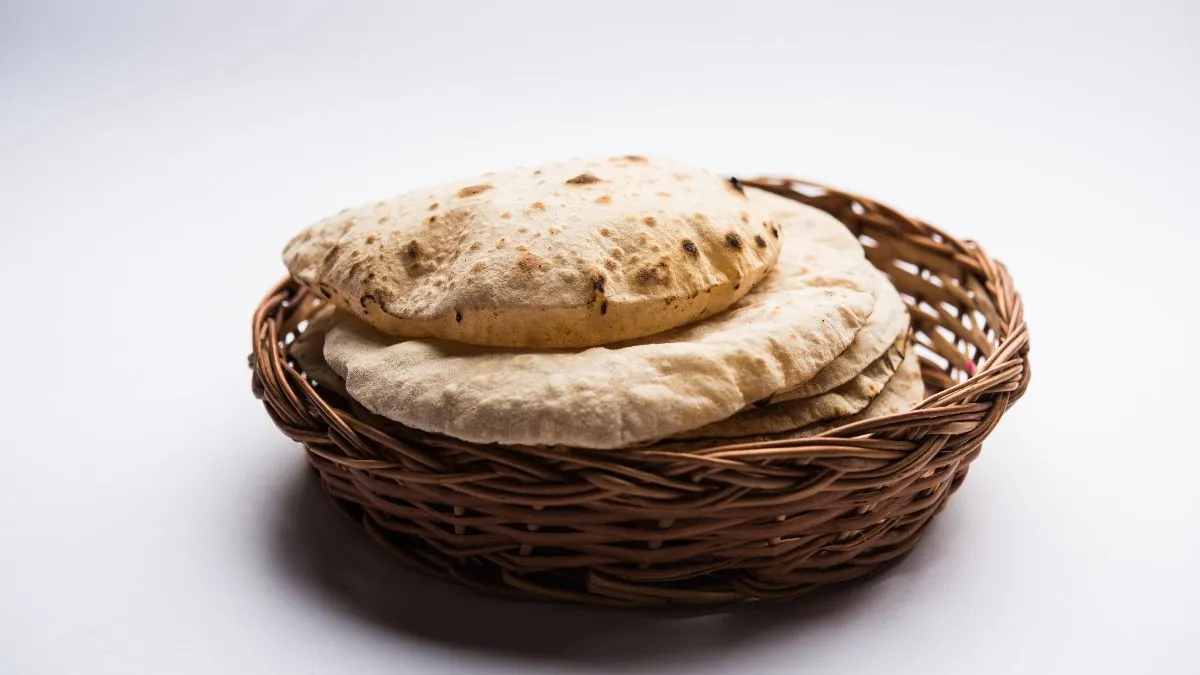
Counting Rotis While Cooking: Know What Vastu Shastra Says: In today’s fast-paced lifestyle, most families live in nuclear households where meals are prepared in limited quantities. With modern kitchens equipped with gas stoves and electric appliances, people often cook just enough — sometimes even counting rotis before placing them on the tawa.
But according to Vastu Shastra, this simple habit may carry deeper spiritual implications.
Is It Wrong to Count Rotis?
According to Vastu principles:
- Counting rotis while making them is considered inauspicious.
- It is believed to attract negative energy into the household.
- Some traditions suggest that it may create financial instability over time.
- Astrologically, wheat is linked to the Sun, which represents vitality, prosperity, and positive energy. Counting rotis is said to symbolically reduce the Sun’s blessings in the home.
While these beliefs are traditional in nature, many families still follow them out of respect for cultural values.
Other Important Vastu Rules Related to Making Rotis
Avoid Loud Noise While Rolling Dough
- The kitchen is considered one of the most sacred spaces in the home.
- Loud sounds from the rolling pin and board are believed to indicate tension or conflict.
- If excessive noise occurs, placing a cloth under the rolling board can help reduce it.
Do Not Use Stale Dough
- Storing kneaded dough in the refrigerator is common today.
- However, Vastu associates stale dough with stagnant or negative energy.
- Freshly kneaded dough is believed to bring positivity, good health, and prosperity.
Avoid Pouring Water on a Hot Pan
- Pouring water on a hot tawa immediately after cooking is considered inauspicious.
- Traditional belief says this act may symbolically increase sudden tension or problems within the household.
- It is recommended to let the pan cool naturally before cleaning.
Importance of the First and Last Roti
Many of us remember our grandmothers setting aside the first roti for a cow and the last one for a dog. This tradition continues in several Indian households.
- First Roti for the Cow:
Considered highly auspicious. Offering it is believed to invite prosperity, peace, and blessings into the home. - Last Roti for the Dog:
Symbolizes protection and positive energy. It is believed to remove obstacles and safeguard the family.
These customs are rooted in gratitude, compassion, and harmony with nature.
Whether one strictly follows Vastu or not, these practices reflect India’s deep cultural connection between food, energy, and spirituality. Cooking is not just about nourishment — it is seen as an act that shapes the emotional and spiritual environment of the home.
Even small mindful habits in the kitchen are believed to influence harmony, prosperity, and well-being.
ALSO READ: Choose Your Lucky Colour According to Your Zodiac Sign