

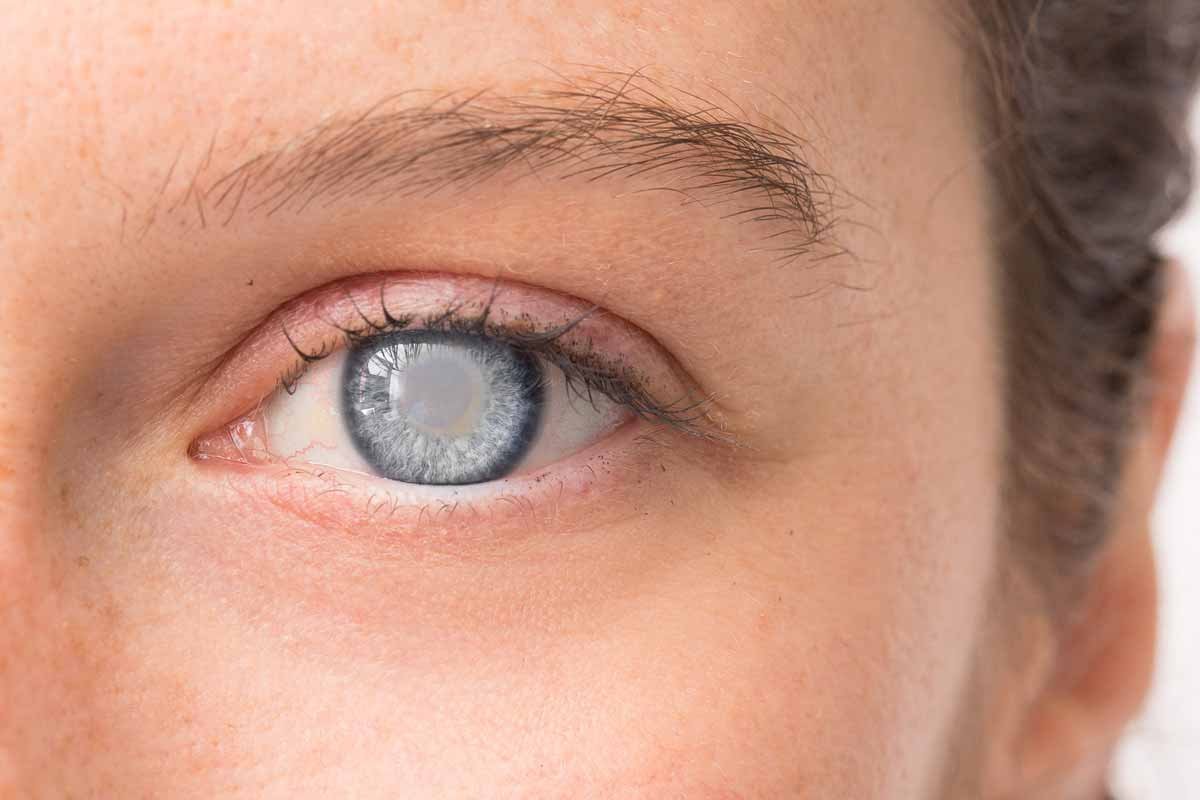
Early Detection of Cataracts Can Prevent Serious Vision Problems
Early Signs of Cataracts: What You Should Know: Cataracts are a common eye condition that can lead to vision loss if left untreated. However, cataracts can often be detected early by noticing certain symptoms. Monitoring these signs helps determine the severity of the condition and whether surgery is necessary.
Symptoms of Cataracts
- Weak Eyesight: The first sign of cataracts is usually blurred vision. Reading becomes difficult, and words that were once clear appear fuzzy. Night driving becomes challenging due to halos or glare around lights.
- Glare or Dazzling: Exposure to sunlight or bright light may temporarily cause blinding or dazzling vision. This is often mistaken for normal light sensitivity but may indicate early cataracts.
- Double Vision: Some patients notice double images or shadows of words, which can come and go in one or both eyes. Persistent double vision with pain may be caused by other eye problems.
- Good Near Vision but Poor Distance Vision: In nuclear cataracts, the lens thickens in the center, improving near vision but reducing far vision. This sudden change is not normal and may indicate a cataract.
When Is Surgery Needed?
- Cataract surgery is recommended when glasses no longer improve vision.
- Initially, glasses may help manage blurred vision, but surgery becomes necessary once clear vision cannot be achieved with corrective lenses.
Who Is at Higher Risk?
- Diabetics and people taking long-term steroid medications are more prone to developing cataracts.
- These patients often develop posterior subcapsular cataracts, which form behind the lens and cause reading difficulty and glare in sunlight.
- Younger diabetics, organ transplant patients, and long-term steroid users should monitor their vision closely.
Cataracts are treatable, and early detection is crucial. If you notice blurred vision, glare, double vision, or sudden changes in near vision, consult an eye doctor promptly. Early examination can prevent progression and preserve eyesight.
Advertisement
ALSO READ: Fastest 50 in IPL History
Advertisement