

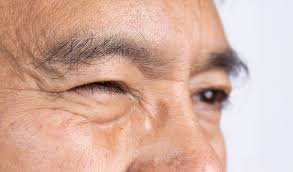
Why Does Your Eye Twitch? Causes and Simple Remedies Explained
Eye Twitching: Causes, Remedies and When to See a Doctor: Almost everyone has experienced eyelid twitching at some point. While many people associate it with good or bad luck, medically it is a common and usually minor condition. However, if eye twitching continues for a long time, it can become bothersome and may require attention.
In medical terms, eye twitching is known as myokymia. It occurs due to the involuntary contraction of small muscles in the eyelids. Though generally harmless, understanding its real causes can help in preventing and managing the condition effectively.
Why Does the Eye Twitch?
Stress and Anxiety:
One of the most common causes of eye twitching is stress. When the mind is under pressure, the body reacts in different ways, and eyelid twitching is one such response.
Lack of Sleep:
Insufficient sleep is another major trigger. The eye muscles require proper rest, and without 7–8 hours of quality sleep, twitching may occur frequently.
Eye Strain:
Prolonged use of digital screens such as computers and smartphones, long hours of driving, or extended reading can strain the eye muscles and lead to twitching.
Nutritional Deficiencies:
Low levels of certain nutrients, particularly magnesium, can cause muscle spasms and cramps, including eyelid twitching.
Other Triggers:
Excessive consumption of caffeine or alcohol, eye dryness, allergies, and overall fatigue can also contribute to this issue.
How to Get Rid of Eye Twitching
Managing lifestyle habits can significantly reduce the frequency of eye twitching.
- Manage Stress: Practice yoga, meditation, deep breathing exercises, or spend time doing activities you enjoy.
- Improve Sleep: Aim for 7–8 hours of quality sleep daily.
- Follow the 20-20-20 Rule: Every 20 minutes, look at something 20 feet away for at least 20 seconds to reduce digital eye strain.
- Maintain Proper Nutrition: Include magnesium-rich foods such as green leafy vegetables, bananas, almonds, and yogurt in your diet. Stay well hydrated.
- Limit Caffeine and Alcohol: Reducing intake may help prevent muscle spasms.
- Use Compresses: Applying a warm or cold compress can relax eye muscles. If dryness persists, consult a doctor for suitable eye drops.
When Should You See a Doctor?
Although eye twitching is usually harmless, medical advice is necessary if:
- The twitching continues for several weeks
- The entire eyelid closes completely
- Other facial muscles are affected
- There is redness, swelling, or discharge in the eye
Small but consistent lifestyle changes are often the first step toward preventing and managing this common issue.
The tips and advice provided in this article are for general informational purposes only and should not be considered professional medical advice. Always consult a qualified healthcare provider before making changes to your health routine.