

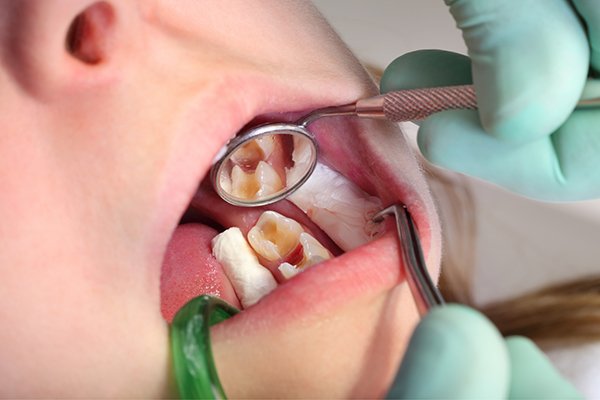
Do All Cavities Need Fillings? Dentists Explain the Truth About Tooth Decay
Cavities Without Fillings? How Teeth Can Repair Early Damage: Tooth decay, commonly known as cavities, is a widespread dental problem affecting both children and adults. While many believe that every cavity must be filled immediately, dentists now say that early-stage tooth decay can sometimes be prevented or even reversed with proper care and habits.
Is It Always Necessary to Fill a Cavity?
- Not all cavities require immediate filling.
- Early decay limited to the enamel layer can often be stopped.
- With correct oral habits and time, teeth have a natural ability to repair themselves.
- Advanced decay, however, can weaken the tooth and may lead to root canal treatment or extraction.
Problem of Repeated Fillings
- Repeated fillings are common, especially in children.
- A filling done at a young age may need replacement after 10–13 years.
- Each replacement usually requires a larger filling.
- By adulthood, the same tooth may become severely damaged.
- Over time, repeated fillings can weaken the tooth structure.
Main Causes of Tooth Decay
- Frequent consumption of sweets and sugary snacks.
- Eating slowly over long periods, especially candies and chocolates.
- Constant snacking without breaks between meals.
- Not rinsing the mouth after eating.
- Lack of adequate saliva time to neutralize acids.
Soda, Straws, and Dental Damage
- Drinking soda frequently increases acid exposure to teeth.
- Using straws directs sugar and acid straight onto the front teeth.
- This leads to plaque buildup and faster enamel erosion.
- Combined with sweets, this habit significantly increases cavity risk.
Can Teeth Heal Without Fillings?
- Teeth can naturally repair early damage through remineralization.
- Reducing sugar and acidic food intake is essential.
- Maintaining gaps of at least one hour between meals helps saliva work effectively.
- Proper oral hygiene supports enamel recovery.
Important Dental Care Tips
- Use fluoride or mineral-rich toothpaste as advised by a dentist.
- Floss daily to remove plaque between teeth.
- Rinse mouth after meals, especially after sweets.
- Maintain good hydration to support saliva production.
- With consistency, enamel repair may occur within six months.
When Fillings Are Not Necessary
- Very early cavities can heal if detected on time.
- Habit correction plays a major role in recovery.
- Children’s teeth respond especially well to preventive care.
- Early guidance can help protect teeth for life.
- Every cavity does not need a filling.
- Early detection, healthy eating habits, and proper oral care can prevent long-term damage.
- Regular dental check-ups are essential to decide the right treatment.
This article is for general information purposes only and is not a substitute for medical or dental advice. Always consult a qualified dentist for diagnosis and treatment. The publisher does not claim responsibility for accuracy or outcomes.
ALSO READ: Night Brushing Health Benefits


