

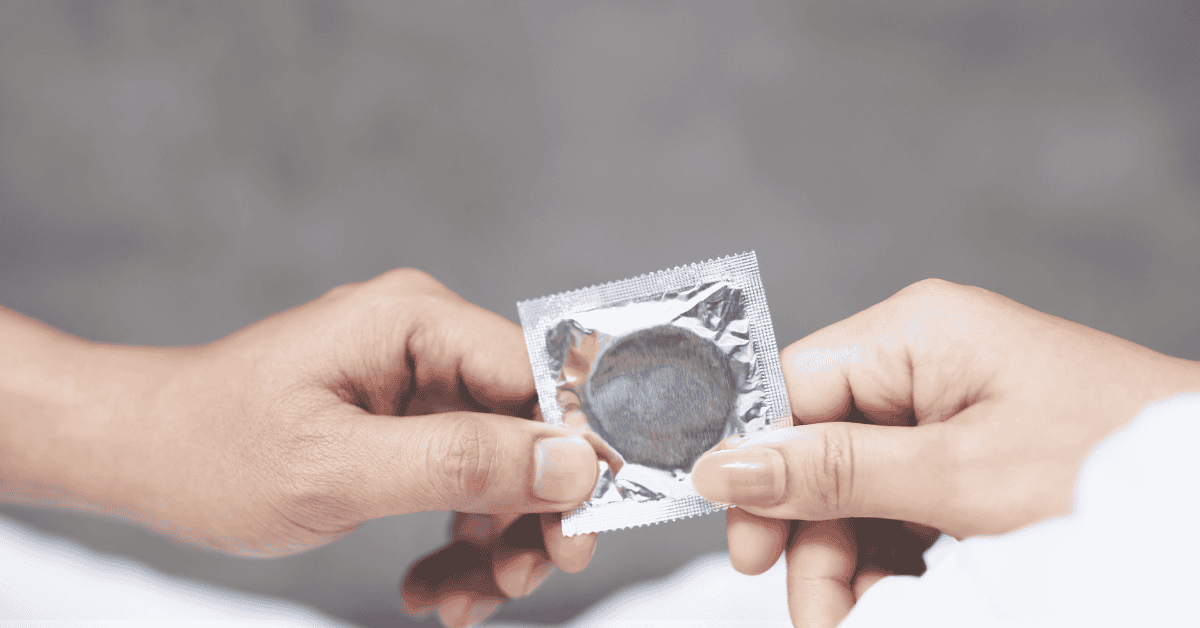
Protecting Your Health: How to Use a Mouth Condom to Reduce Infection Risk
Mouth Condoms: How They Can Help Protect Against HPV and Other Infections: Mouth Condoms (Dental Dams) are thin, flexible sheets typically made of latex that act as a protective barrier during oral contact. Primarily designed to reduce the risk of infections, they prevent direct contact between the mouth and skin, reducing exposure to bodily fluids or infected skin.
While they are particularly useful for those practicing safe oral contact, awareness remains limited. Dental dams help reduce the transmission of HPV (human papillomavirus), a virus that spreads through skin-to-skin contact and can be transmitted via oral sex. However, while they are effective, mouth condoms do not offer 100% protection as HPV can still be passed through skin contact around the dam’s coverage area. HPV vaccination is still considered the most effective protection.
Oral Cancer Risk: Since HPV infection is a known risk factor for oral cancer, using a mouth condom can reduce the risk of HPV transmission, and by extension, may lower the likelihood of developing oral cancer. However, they are not a guarantee against cancer, and lifestyle factors such as smoking or poor habits still contribute to risk.
Precautions: When using a mouth condom, ensure it’s from a new, intact package and free from cuts or tears. Never reuse them, avoid oil-based products as they weaken the latex, and always ensure it stays in place for maximum protection.
Incorporating mouth condoms into safe oral practices, along with regular checkups and lifestyle changes, can significantly improve sexual health and reduce the risk of infections.
ALSO READ: Side Effects Of Nail Biting