
Strait of Hormuz Tensions Raise Supply Concerns, Russia Backs India
Russia Offers Oil Support to India Amid Gulf Tensions as Strait of Hormuz Crisis Deepens: Rising tensions in the Gulf region have sparked fears of a disruption in global energy supplies, placing countries like India on alert. As uncertainty looms over oil shipments passing through the strategically crucial Strait of Hormuz, Russia has stepped forward with a reassuring message — it is ready to meet India’s energy needs if supplies are hit.
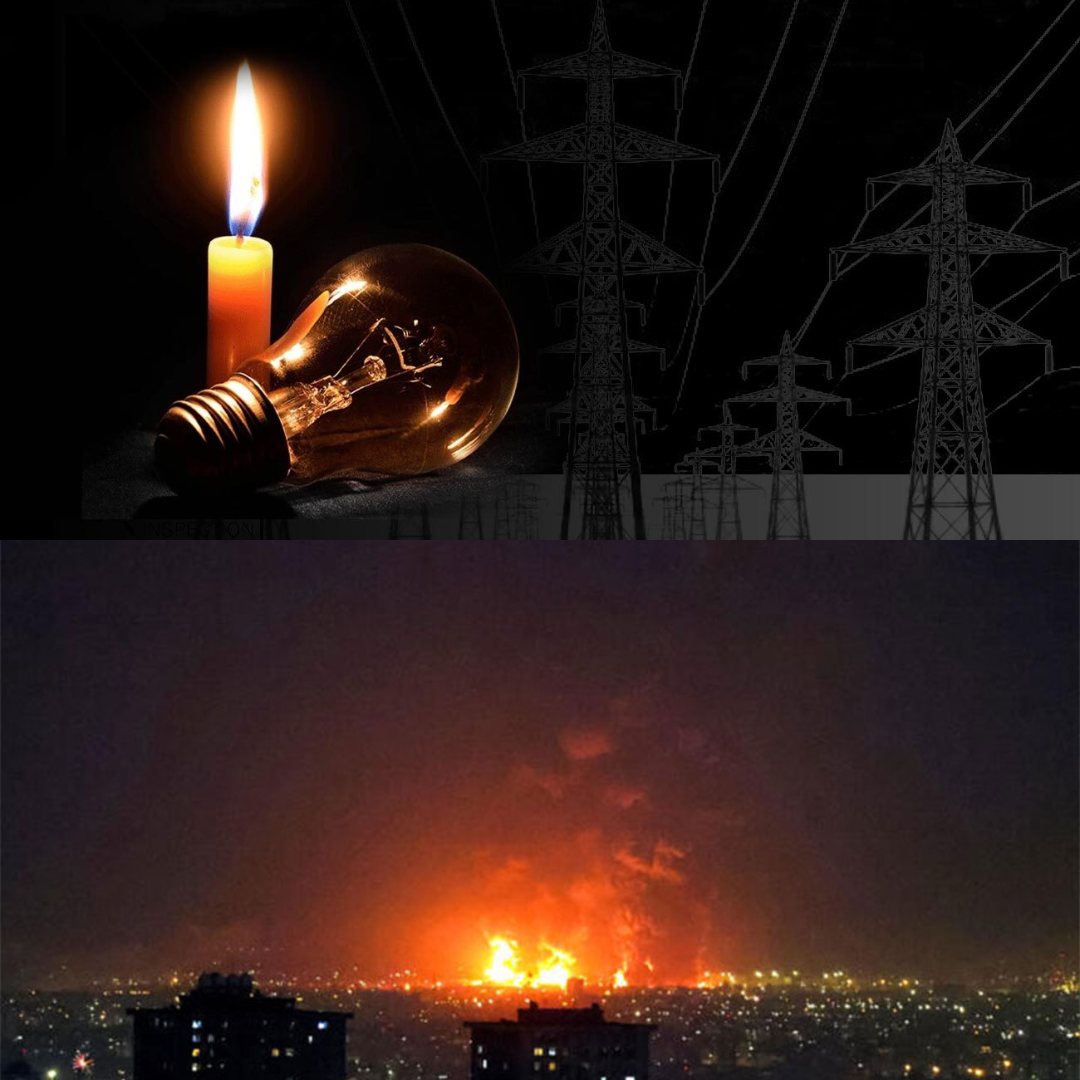
Nearly half of India’s crude oil and LPG imports transit through the Strait of Hormuz, one of the world’s most vital oil routes. With escalating tensions involving Iran, Israel, and the United States, concerns are growing over potential shipping disruptions. Any blockade or delay along this narrow corridor could directly impact India’s economy and household fuel expenses.
India’s Current Preparedness
The Indian government has assured citizens that there is no immediate cause for alarm. Authorities state that the country currently holds sufficient crude oil and fuel reserves to manage short-term disruptions — around 25 days of crude reserves and nearly 50 days of petroleum product reserves.
Union Petroleum and Natural Gas Minister Hardeep Singh Puri confirmed that India is actively monitoring the situation. A 24×7 control room has been established to oversee fuel availability nationwide, and alternative import routes are being explored to reduce reliance on the Gulf passage.
Russia’s Strategic Move
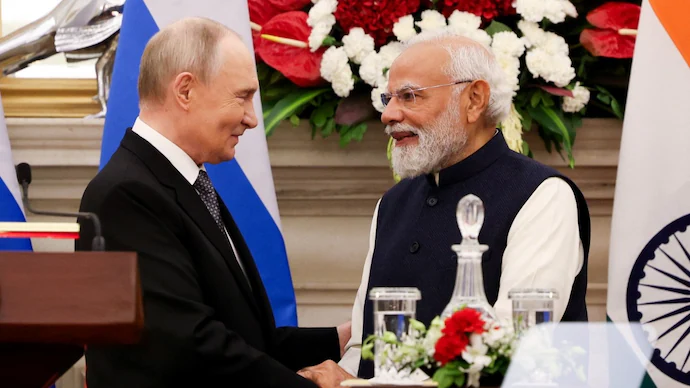
According to reports, Russia has indicated it could increase crude oil supplies to India if required. This development is particularly notable given that India had earlier signaled a gradual reduction in Russian oil purchases amid global geopolitical pressures. However, shifting global dynamics and changing trade equations appear to be reshaping energy partnerships once again.
Russia’s offer highlights the long-standing energy ties between New Delhi and Moscow, suggesting that old alliances may regain importance during times of global uncertainty.
Rising Oil Prices Add to Pressure
Even without a direct supply disruption, markets are already reacting nervously. Global benchmark Brent crude prices have surged by nearly 10%, crossing $80 per barrel since tensions escalated.
If the upward trend continues, India could face a higher import bill, potentially leading to increased petrol and diesel prices and putting additional pressure on inflation.
For now, India appears prepared — but as geopolitical tensions simmer, energy security remains at the center of global attention.
ALSO READ: 5 Auspicious Items to Bring Home for Wealth and Prosperity