
Why storing vegetables in plastic is a common kitchen mistake
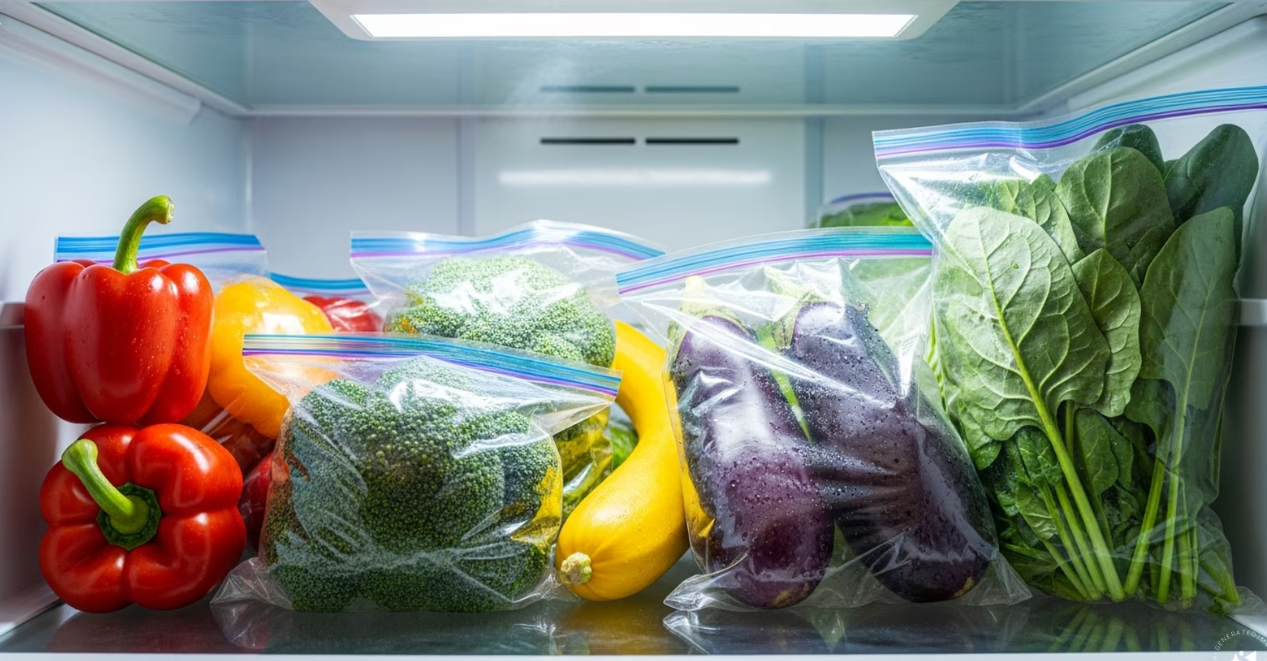
Stop Storing Vegetables in Plastic Bags: This Common Habit Can Harm Your Health: Many people store vegetables in the refrigerator inside plastic covers or the same polythene bags they bring from the market, without realizing the harm this habit can cause. While it may seem convenient, storing vegetables in plastic can speed up spoilage, encourage bacterial growth, and even pose serious health risks. Making small changes in how you store vegetables can help keep your food fresh, safe, and nutritious.
Problems Caused by Storing Vegetables in Plastic Bags
1. Lack of Air Circulation
Plastic bags block airflow, which vegetables need to stay fresh. When air cannot circulate, moisture released by vegetables gets trapped inside the bag. This creates the perfect environment for bacteria and fungi, causing vegetables to rot faster.
2. Increased Moisture and Mold Growth
Excess moisture inside plastic covers leads to mold formation, especially on leafy greens. Moldy vegetables can contaminate nearby food items in the refrigerator.
3. Chemical Hazards from Plastic
Many plastic bags contain harmful chemicals such as bisphenol-A (BPA) and phthalates. In low-quality plastic, these chemicals can leach into vegetables when kept in cold storage, increasing the risk of hormonal imbalance and digestive issues.
4. Loss of Flavor and Nutrients
Vegetables stored in plastic lose their natural taste and freshness. Leafy vegetables wilt quickly, leading to a loss of essential vitamins and minerals.
Better and Safer Ways to Store Vegetables
5. Remove Plastic Covers Immediately
As soon as you bring vegetables home, remove all plastic wrapping and let them air dry before storing.
6. Use Cotton or Mesh Bags
Store vegetables in cotton, jute, or mesh bags to allow proper ventilation and keep them fresh longer.
7. Wrap Leafy Greens in Paper Towels
Leafy vegetables stay fresh when wrapped in a dry paper towel, which absorbs excess moisture.
8. Ensure Vegetables Are Completely Dry
Never store wet vegetables in the refrigerator. Moisture encourages mold and bacterial growth.
9. Store Vegetables Separately
Keep leafy greens separate from root vegetables to maintain freshness and prevent cross-contamination.
10. Reduce Plastic, Improve Health
Switching to natural storage methods not only protects your health but also helps reduce plastic waste.
By avoiding plastic bags and adopting safer storage habits, you can prevent food from becoming toxic and ensure your family eats fresh, healthy, and chemical-free vegetables. Remember, a healthy life begins in a healthy kitchen.
ALSO READ: Health Benefits Of Bay Leaf Water