
Less Bleeding During Periods: Causes You Should Know
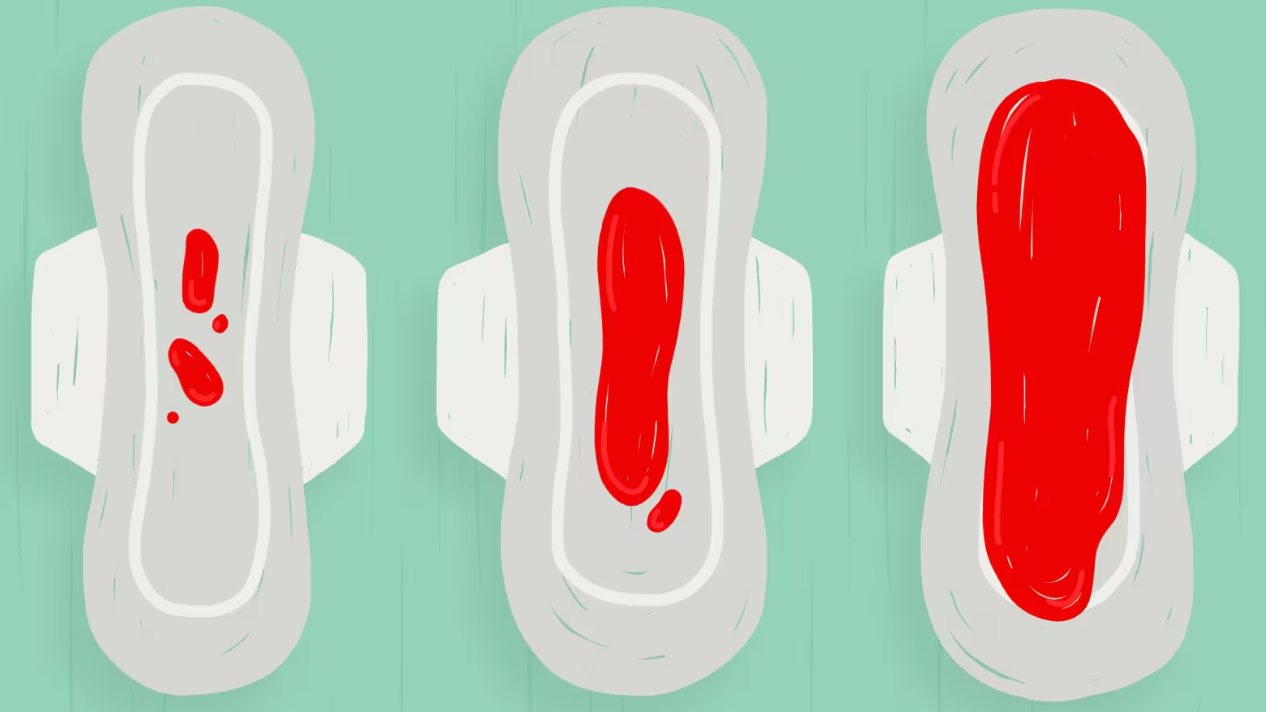
What Are The Reasons For Less Bleeding During Periods: Many women notice changes in their menstrual flow over time, and lighter periods often raise concerns. While reduced bleeding can sometimes indicate a health issue, it is not always dangerous. Hormonal changes, lifestyle factors, and certain medical conditions can all play a role. Here’s a simple lifestyle guide to understanding why periods may become lighter and what you can do.
1. Hormonal Imbalance: The Most Common Cause
Hormones, particularly estrogen and progesterone, regulate the menstrual cycle. If their balance is disturbed, the uterine lining may not thicken properly, resulting in lighter periods.
- Common causes include thyroid disorders and PCOS (Polycystic Ovary Syndrome)
- Maintaining hormonal health through proper diet, exercise, and regular check-ups can help
2. Stress and Sleep Deprivation
High stress levels and lack of sleep directly affect menstruation.
- Stress increases cortisol, which can suppress reproductive hormones
- Result: delayed periods or lighter bleeding
- Lifestyle tip: Practice stress management techniques like meditation, yoga, or deep breathing, and ensure 7–8 hours of sleep
3. Sudden Weight Gain or Loss
Body weight plays a significant role in menstrual health.
- Rapid weight loss or sudden weight gain can disrupt hormone levels
- Very thin or obese women may experience reduced or irregular bleeding
- Lifestyle tip: Aim for a balanced diet and maintain a healthy weight for consistent menstrual cycles
4. Birth Control Pills and Hormonal Contraceptives
Women using hormonal contraception often notice lighter periods.
- Pills, injections, or IUDs thin the uterine lining, reducing bleeding
- Usually not harmful, but monitor any sudden or extreme changes
- Tip: Discuss concerns with your doctor if changes persist
5. Age and Natural Body Changes
Menstrual flow naturally changes at different life stages.
- Early teens: Periods may be irregular or light
- After 40: Hormonal shifts can make bleeding lighter or less frequent as menopause approaches
- Lifestyle tip: Keep track of your cycles to notice patterns and changes
6. When to Consult a Doctor
While lighter periods are often harmless, certain symptoms should not be ignored:
- Severe abdominal pain
- Sudden weight loss
- Dizziness or extreme fatigue
- Persistent irregular cycles
These could indicate anemia, thyroid issues, or other medical conditions. Timely consultation with a healthcare provider is essential.
Lifestyle Tips to Support Healthy Menstrual Flow
- Eat a balanced diet rich in iron and vitamins
- Maintain a healthy body weight
- Manage stress through exercise, meditation, or hobbies
- Ensure adequate sleep and hydration
- Track your menstrual cycles to notice irregularities
Lighter periods are often a normal part of hormonal and lifestyle changes, but significant changes should be monitored. By managing stress, maintaining a healthy weight, and paying attention to your body, you can support regular and healthy menstrual cycles.
ALSO READ: Health Benefits Of Cinnamon Milk