
Mother Narmada: The Living Goddess of Sanatan Dharma
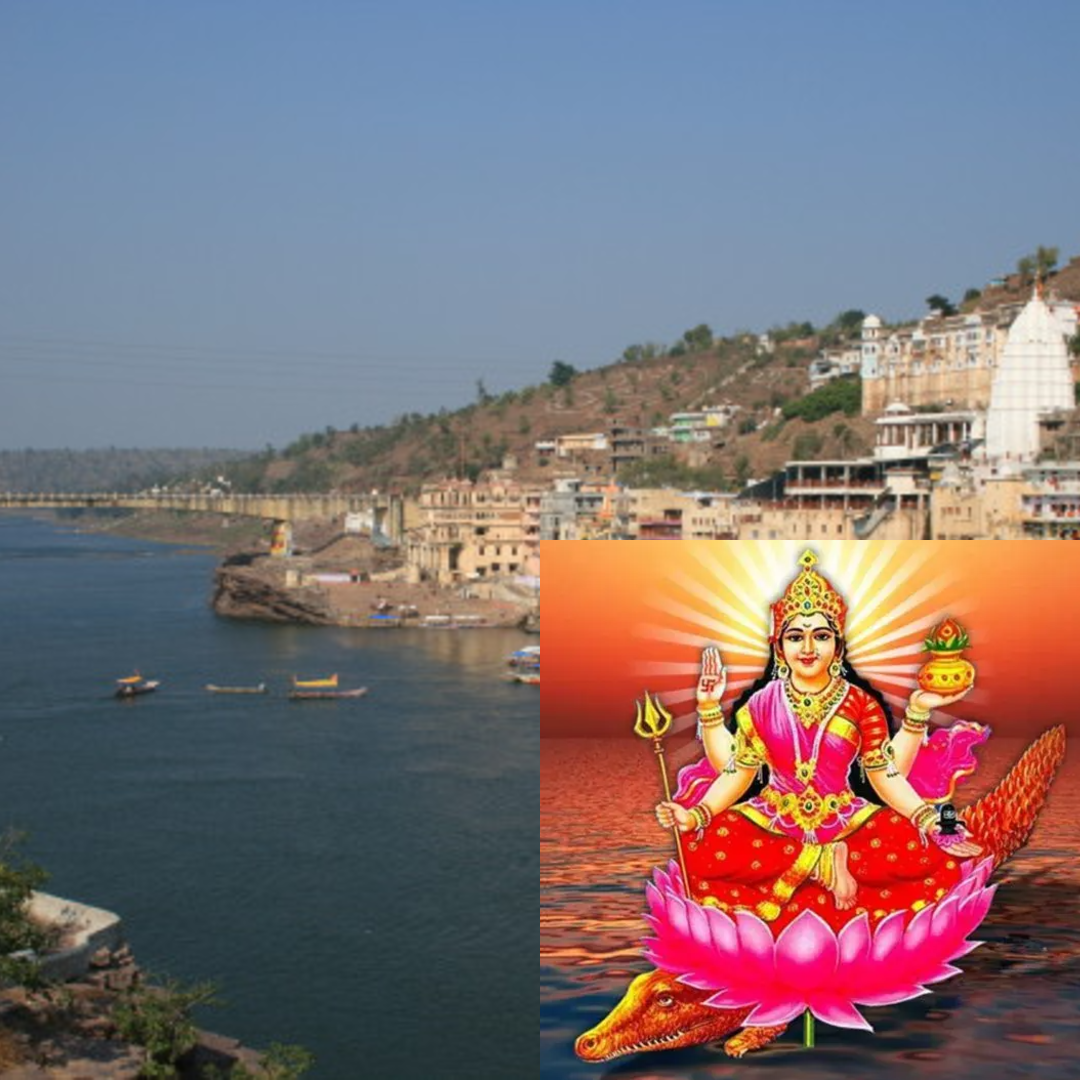
Why Mother Narmada Is Worshipped as a Living Goddess in Sanatan Dharma: In Sanatan Dharma, the Narmada River is not merely a river but is revered as Mother Narmada, a divine goddess. She is believed to purify life, remove suffering, and guide devotees toward salvation. Among the seven sacred rivers of India, Mother Narmada holds a unique position, as she is considered complete and holy in herself. Visiting, bathing in, and worshipping the Narmada are regarded as highly meritorious.
Mother Narmada Jayanti is celebrated every year on the Saptami Tithi of Shukla Paksha in the month of Magh. In 2026, Narmada Jayanti will be observed on January 25.
Who Is Mother Narmada?
- Mother Narmada is regarded as the daughter of Lord Shiva.
- She is also known by names such as Reva, Narmada Maiya, and Shankarsuta.
- According to belief, she emerged from the divine waters produced during Lord Shiva’s penance.
- Due to her origin, her nature is considered calm, austere, serious, and spiritually powerful.
Origin and Journey of Mother Narmada
- The origin of Mother Narmada is Amarkantak, which is considered her maternal home.
- From Amarkantak, she flows thousands of kilometers before merging into the Arabian Sea.
- Unlike most rivers of India, Narmada flows from east to west, making her unique among sacred rivers.
Mysteries Associated With Mother Narmada
- It is believed that Narmada’s water never becomes impure.
- According to tradition, while the Ganga required Lord Shiva’s matted locks for purification, Narmada, born from Shiva’s penance, is pure by nature.
- No external purification is believed to be required for Narmada’s water.
The Sacred Narmada Parikrama
- Narmada Parikrama is performed without crossing the river.
- It is believed that Mother Narmada herself tests the devotion, patience, and discipline of the pilgrim.
- Those who complete the parikrama with faith and restraint are said to be freed from major life obstacles.
Spiritual Power of the Narmada River
- Penance performed on the banks of the Narmada is believed to yield quick spiritual attainment.
- Many sages and saints have described Narmada as the best river for attaining salvation.
- Popular belief states that merely seeing the Narmada grants virtue, while bathing in it cleanses sins of many lifetimes.
Historical and Religious Importance
- The Narmada Valley is considered a cradle of ancient Indian civilization.
- Numerous ashrams, pilgrimage sites, and meditation centers flourished along her banks.
- It is believed that sages composed parts of the Vedas, Upanishads, and Puranas near the Narmada.
- Charity, chanting, and austerities performed on her banks are believed to yield manifold rewards.
Auspicious Occasions for Worship
Bathing and worshipping Mother Narmada are considered especially fruitful on:
- Narmada Jayanti
- Amavasya (New Moon)
- Purnima (Full Moon)
- Throughout the month of Magh
Benefits of Worshipping Mother Narmada
- Brings peace, happiness, and stability in life
- Destroys sins committed knowingly or unknowingly
- Relieves mental stress, fear, and negative thoughts
- Helps overcome financial difficulties
- Maintains harmony and balance in family life
- Increases spiritual strength, confidence, and positive energy
Goddess of Renunciation and Salvation
- Mother Narmada is regarded as the goddess of renunciation (Vairagya) and salvation (Moksha).
- True devotion gradually frees a person from worldly attachments.
- Her grace leads devotees toward spiritual discipline, patience, and inner balance.
- She is worshipped not only as a giver of material prosperity but as a purifier of the soul.
ALSO READ: Hair Washing During Periods