
Frequent Bruising Without Injury Could Signal a Health Problem
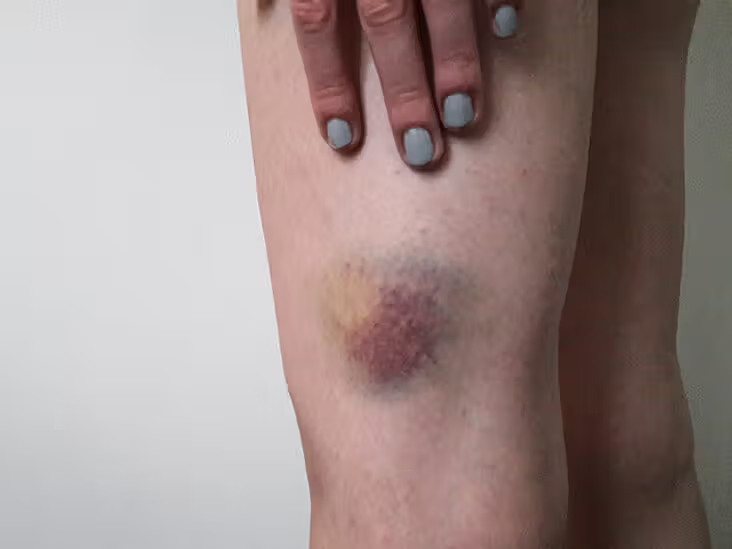
Do you get blue marks on your body without any injury? Then definitely know the reason behind it: Bruises are common after bumping into furniture or accidentally hitting a door. They occur when small blood vessels under the skin break and leak blood into surrounding tissues. Most bruises heal naturally within a few days.
However, frequent or unexplained bruising may signal an underlying health issue. According to Doctor, repeated or unexplained bruises should not be ignored. Here’s what you need to know.
How Do Bruises Form?
- Bruises develop when tiny blood vessels (capillaries) rupture due to injury.
- Blood leaks into the tissue beneath the skin.
- Initially, bruises appear black, blue, or purple.
- On darker skin tones, bruises may look red, purple, or darker than the surrounding area.
- Over time, the body reabsorbs the blood, and the color fades.
Common Causes of Frequent Bruising
Age and Genetics
- As we age, skin becomes thinner and blood vessels weaken.
- Some people bruise easily due to inherited traits.
Medications
Blood thinners and certain medicines increase the risk of bruising, including:
- Warfarin
- Heparin
- Rivaroxaban
- Dabigatran
- Apixaban
- Aspirin
- Ibuprofen
- Naproxen
Other drugs such as corticosteroids and some chemotherapy medications can also reduce platelet levels or weaken blood vessels.
Liver Disease
Conditions like cirrhosis affect blood clotting, increasing the risk of bleeding and bruising.
Bleeding Disorders
Certain genetic conditions affect the blood’s ability to clot properly. People with these disorders may experience larger or more severe bruises and are at risk of serious bleeding.
Vitamin Deficiencies
- Vitamin C deficiency weakens blood vessels.
- Vitamin K deficiency interferes with proper blood clotting.
- Iron deficiency can also contribute to easy bruising.
Vasculitis
Vasculitis is inflammation of blood vessels. It can cause:
- Purple-red spots (purpura or petechiae)
- Raised, itchy, or painful rashes
- Spots that do not fade when pressed
Treatment depends on severity and may include steroid medications.
Senile Purpura (Actinic Purpura)
Common in older adults, especially over 50.
- Causes dark purple patches, mainly on hands and arms.
- More visible on lighter skin but can affect anyone.
- Bruises may last longer and leave brown discoloration.
Cancer or Low Platelet Count
Unexplained bruises or red spots may be linked to thrombocytopenia (low platelet count), sometimes caused by cancer or chemotherapy. These bruises often appear dark red or purple.
When Should You See a Doctor?
Consult a doctor if you notice:
- Frequent or severe bruising without injury
- Sudden painful bruises
- Bruises that heal slowly
- Fever or fatigue along with bruising
- Small red rash-like spots under the skin
- Frequent nosebleeds
- Skin color changes or swelling
Conditions such as Achenbach syndrome or varicose veins may also cause unusual bruising and require medical attention.
While occasional bruises are normal, frequent or unexplained bruising should not be ignored. Your body may be signaling a deeper issue. Early medical evaluation can help prevent serious complications. If in doubt, consult a healthcare professional — especially if other symptoms are present.
ALSO READ: What Foods Are Beneficial During Your Period