
Why Cooking in an Iron Pan Is Healthier Than Non-Stick Cookware
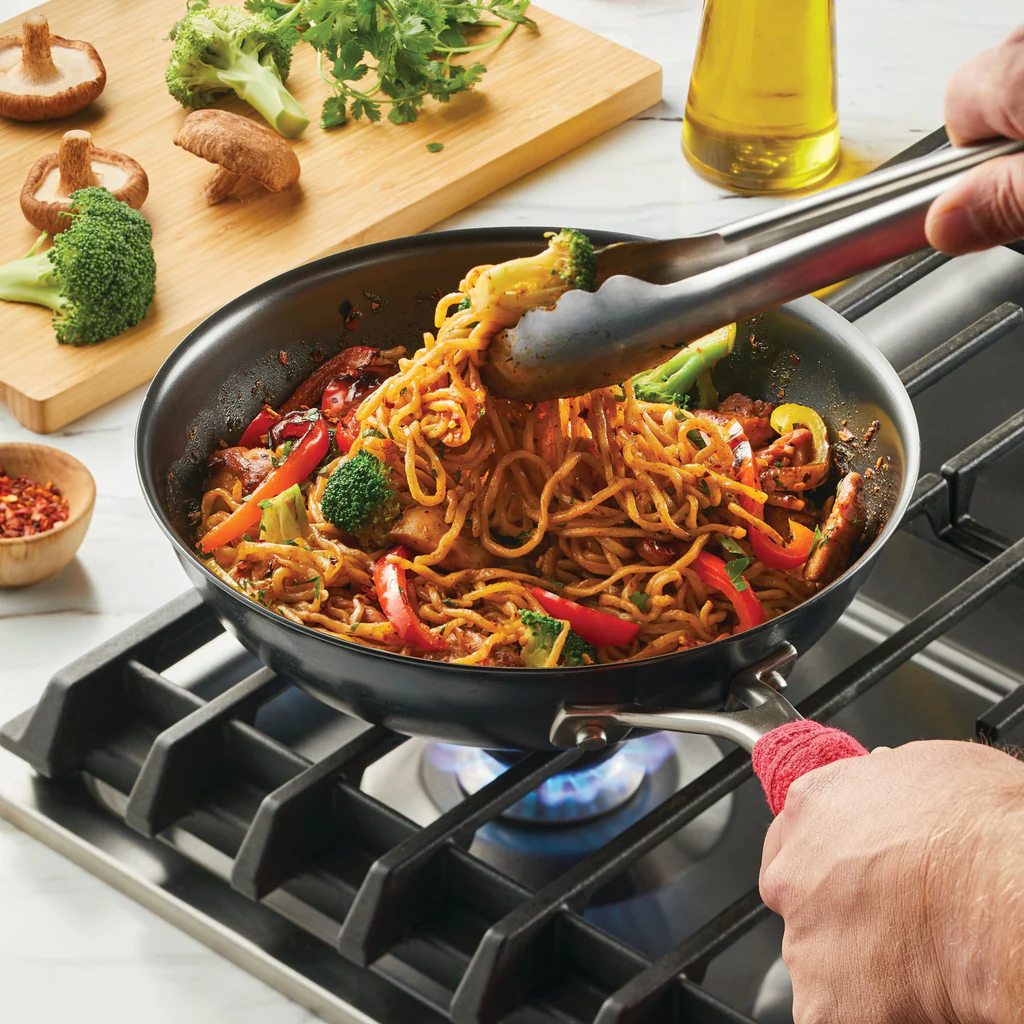
For centuries, traditional Indian kitchens relied heavily on iron utensils for everyday cooking. While modern kitchens often use stainless steel or non-stick cookware, many health experts still recommend using an iron pan or kadhai for certain dishes. Food cooked in iron utensils not only tastes better but can also provide health benefits.
Iron cookware naturally releases small amounts of iron into the food while cooking. This can help increase the iron content of meals and may support people dealing with iron deficiency or anemia. However, not every dish is suitable for cooking in iron utensils. Knowing which foods work best can help you get the most benefits.
Health Benefits of Cooking in Iron Utensils
Cooking in an iron skillet offers several advantages:
- Helps increase iron intake: Small amounts of natural iron mix into the food while cooking.
- Supports people with iron deficiency: Regular use may help improve iron levels in the body.
- Enhances flavor: Many dishes develop a slightly smoky and richer taste.
- Better texture: Vegetables often become crispier and roast more evenly.
- Chemical-free cooking: Unlike some non-stick cookware, iron pans do not contain chemical coatings.
Vegetables Best Cooked in an Iron Pan
Some vegetables cook particularly well in an iron pan and may even taste better because of the smoky flavor and crisp texture. These include:
- Leafy greens such as spinach, fenugreek (methi), and mustard greens (sarson).
- Eggplant dishes, especially roasted eggplant or bharta.
- Dry potato dishes like potato-cumin (aloo jeera).
- Pointed gourd (parwal) and ladyfinger (bhindi).
- Dry vegetable preparations such as beans or other sautéed vegetables.
Cooking these foods in an iron pan can slightly increase their iron content while also giving them a rich taste and crisp finish.
Foods You Should Avoid Cooking in an Iron Pan
Although iron cookware has many benefits, certain foods may react with the metal and affect taste or appearance.
- Highly sour foods: Dishes with large amounts of tomato, tamarind, or lemon should generally be avoided because the acidity can react with iron and change the flavor.
- Curd or yogurt-based dishes: Gravies made with yogurt may develop a darker color and an unusual taste when cooked in iron utensils.
- Long-cooked acidic dishes: When acidic ingredients are cooked for long periods, the food can turn dark and develop a metallic taste.
Iron cookware can be a healthy and traditional addition to the kitchen. When used properly with the right types of foods, it can enhance both the nutritional value and flavor of your meals. By avoiding acidic dishes and focusing on dry or leafy vegetable preparations, you can enjoy the full benefits of cooking in an iron pan.
ALSO READ: Health Benefits Of Roti