
Impact Of War: Due to the ongoing crisis in the Middle East, residents of the capital Delhi and NCR are struggling to buy gas cylinders; people are standing in long queues, and cylinders are being sold in the black market for three to four times their standard price. As a result, the increased cost of gas cylinders has increased the cost of everything from Delhi’s iconic dish chole bhature to parathas, chole kulchas, dosas, and a simple cup of chai.
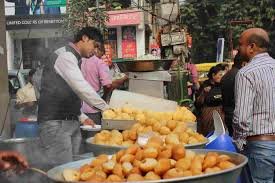
In Delhi’s Mayur Vihar Phase-1 market, street vendors and food stalls offer a variety of items – including chole bhature, chole kulchas, parathas, liti chokhas, and chai – but the increase in the cost of gas cylinders has increased the cost of every food and drink item by Rs 10 to Rs 25. A plate of chole bhature, which used to cost Rs 40, is now available for Rs 50; Similarly, a plate of Sabzi Puri (vegetable curry with fried bread) that cost Rs 40 before the conflict in Iran has also gone up to Rs 50.
For corporate employees, a cup of tea serves as their primary fuel during office breaks; however, this cup of tea has now gone up from Rs 10 to Rs 20. This is because a gas cylinder, which used to cost Rs 1050, is now selling for Rs 3,000. While liti chokha is a famous specialty of Bihar, it is also a major hit in Delhi. Liti, which is traditionally cooked on coals, and chokha, which is prepared using gas, have both become 10 times more expensive; what used to cost Rs 40 has now gone up to Rs 50.
Pinky Devi, a vendor selling chole kulche and paratha, explained that gas agencies and cylinder-refilling shops are turning the crisis into a lucrative opportunity, with gas – which is usually sold at Rs 100 per kg – selling for between Rs 300 and Rs 500. As a result, the price of chole kulche has increased from Rs 35 to Rs 40; an aloo kulche (potato roti) has increased from Rs 40 to Rs 50; and an onion paratha, which was earlier priced at Rs 50, is now priced at Rs 60. According to the common man, vendors are bearing the brunt of the rising prices of food and beverages, just like consumers; while wages remain stagnant, the cost of living – from chole bhature to a cup of tea – has certainly skyrocketed.
The food trucks on Delhi’s streets are not just a source of food; they serve as a lifeline and livelihood for millions. The shortage of gas cylinders, coupled with rising prices, has shaken this entire ecosystem to its core.