

PM Modi Reviews West Asia Crisis After Return to Delhi, Speaks With UAE and Israeli Leaders
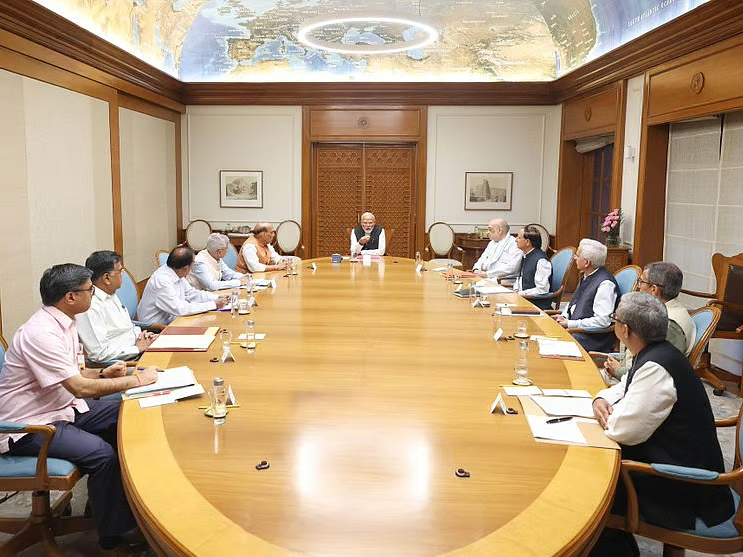
War in the Middle East: War in the Middle East: PM Modi calls for emergency ‘CCS’ meeting: Prime Minister Narendra Modi returned to New Delhi on Sunday night after concluding his two-day visit to Rajasthan, Gujarat, Tamil Nadu, and Puducherry. Soon after his arrival, he reviewed the rapidly evolving security situation in West Asia amid escalating tensions between Israel and Iran.
PM Modi held a telephonic conversation with the President of the United Arab Emirates, Sheikh Mohammed bin Zayed Al Nahyan. In a post on social media, the Prime Minister strongly condemned the recent attacks on the UAE and expressed condolences over the loss of lives and property. He reiterated that India stands firmly with the UAE during this challenging time and appreciated the Gulf nation’s continued care and support for the large Indian community residing there.
The Prime Minister also spoke with Israeli Prime Minister Benjamin Netanyahu to discuss the ongoing conflict in the region. During the conversation, PM Modi emphasized the need for de-escalation, restoration of peace, and ensuring regional stability. He conveyed India’s concerns over the safety of civilians and stressed the importance of bringing an early end to hostilities between Israel and Iran.
CCS Meeting Held Late Into the Night
Upon his return to Delhi, PM Modi convened a meeting of the Cabinet Committee on Security (CCS), the country’s highest decision-making body on national security and strategic affairs. The meeting lasted late into the night and focused on reviewing the global implications of the US-Israeli strikes on Iran and the broader impact on regional stability.
Senior officials present at the meeting included National Security Advisor Ajit Doval, Chief of Defence Staff Anil Chauhan, Cabinet Secretary T V Somanathan, and Foreign Secretary Vikram Misri, among others. Discussions reportedly centered on safeguarding Indian citizens in West Asia and assessing potential risks to energy security.
Strait of Hormuz Concerns
The CCS also reviewed developments surrounding the Strait of Hormuz, a critical maritime route for global and Indian oil shipments. Reports suggesting possible disruptions in the strait have raised concerns, given India’s heavy dependence on energy imports passing through the region.
According to estimates, around 10,000 Indian nationals are currently in Iran and more than 40,000 in Israel. Overall, approximately 9 million Indians live across Gulf countries and West Asia. The Ministry of External Affairs has stated that Indian embassies in the region are in constant contact with citizens and have established helplines where necessary.
India has previously carried out large-scale evacuation missions during crises in West Asia and other regions. Officials indicated that contingency planning is underway to ensure the safety and security of Indian nationals should the situation deteriorate further.
The Prime Minister reaffirmed India’s commitment to peace, stability, and the protection of its citizens while closely monitoring the evolving developments in the Middle East.
ALSO READ: Health Benefits Of Fennel Tea