
Darswal’s advice for aspiring public health professionals is to enter with a genuine problem they want to understand rather than simply pursuing another qualification
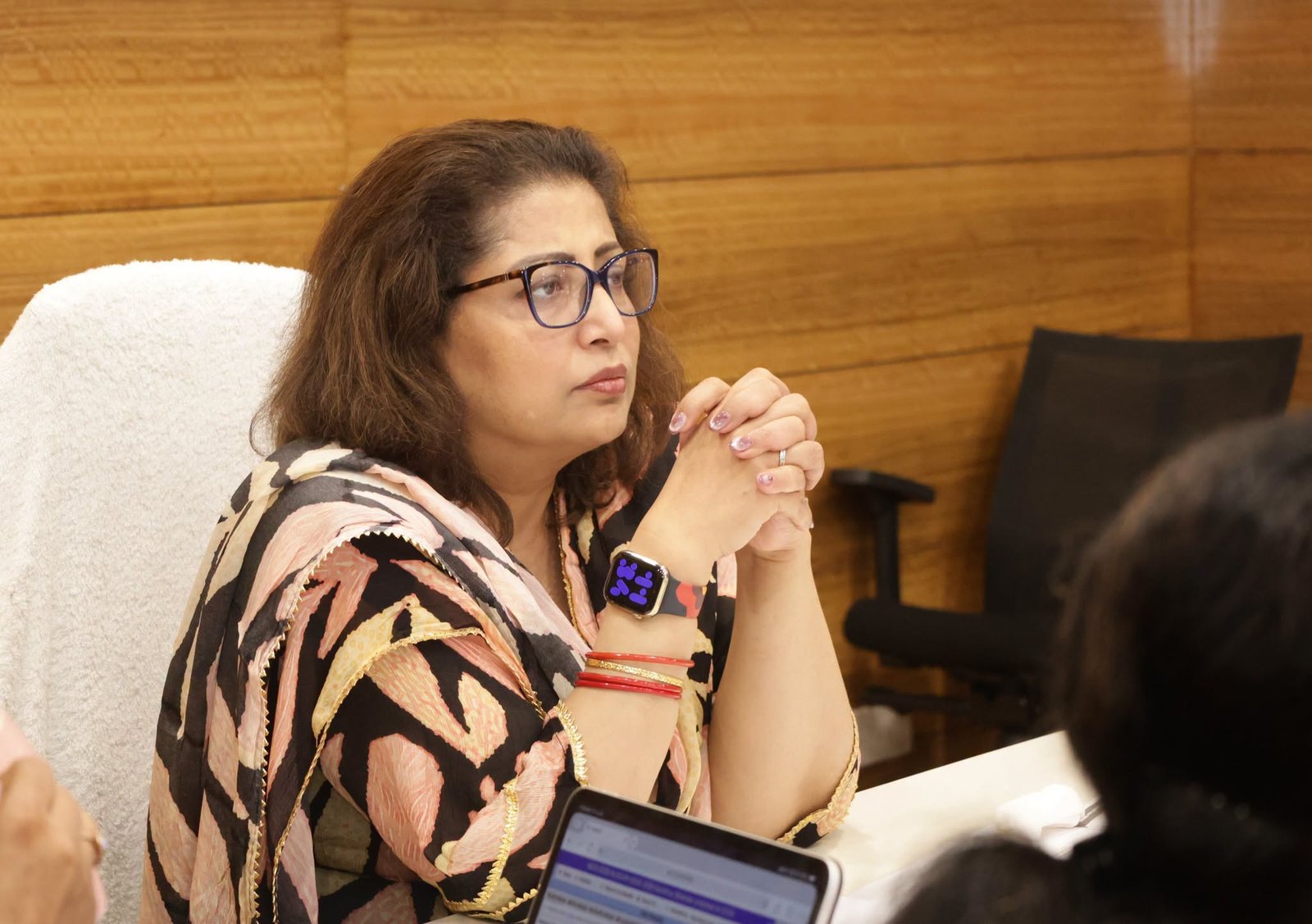
Financial Investment In Health Must Be Encouraged: Dr. Mrinalini Darswal: Dr. Mrinalini Darswal, IAS, Commissioner-cum-Secretary, Odisha’s Department of Women & Child Development, shares her experience and challenges related to public health in an alumni profile published by the Harvard T.H Chan School of Public Health.
2002 batch Indian Administrative Services Officer of Odisha Cadre, Dr. Mrinalini Darswal has an extensive background in public health. She served in the states of Odisha, Jammu and Kashmir, Manipur, and Delhi. She has served as Collector and District Magistrate in Manipur and across various districts in Odisha for 8 years and later in health, food safety, drug regulation, and HIV/AIDS control in Delhi.
Dr. Darswal is a Medical Doctor with a specialization in radio diagnosis. She furthered her expertise with a Doctorate in Public Health (DrPH) 2024 from the Harvard T. H. Chan School of Public Health, focusing her thesis on public-private partnerships for strategic health communications.
Speaking about experience at Harvard T.H. Chan School of Public Health Dr. Darswal said she got an opportunity to focus on comparative health systems and strategic communications. And understand how different countries approach similar challenges. Professor Kasisomayajula Vishwanath guided during her coursework and research, she said. Aftr nearly 2 decades she entered the Harvard programme after gaining experience in Indian Administrative Services.
Her studies included public health systems in countries such as England, Canada, the United States, Egypt and Chile, giving her a broader perspective on the strengths and limitations of different approaches. She said one of the key lessons from Harvard was the importance of personal leadership development. The experience encouraged her to adopt a more open and collaborative leadership style, based on discussion, teamwork and listening to people whose voices are often overloooked. This has influenced how she conducts meetings, approaches administrative decisions and works with colleagues.
Darswal’s advice for aspiring public health professionals is to enter with a genuine problem they want to understand rather than simply pursuing another qualification. Second, treat reflective parts of programme seriously and patiently. Third, mid-career professionals should invest in the cohort.
Speaking about the public health challenge she is currently working on and is passionate about, Dr. Darswal said financial protection in health care is one of the public health challenges close to her. Expanding health care coverage can significantly decrease financial pressure on families due to unexpected medical expenses. As Commissioner-cum-Secretary for Women and Child Development in Odisha my focus is on on Anganwadi services and programmes aimed at the welfare and protection of women and children, Dr. Darswal added. She emphasized the importance of intervention during the early stages of maternal health, child nutrition and early childhood nutrition, care and education through AAROHAN programme. She also linked women’s safety and violence as a public health problem with SAMBEDANA mission.
One initiative highlighted in the Harvard profile is T2T2 (Target Two, Transform Two), which identifies poorly performing Anganwadi Centres and directs additional attention and support to them. Her focus on Anganwadi infrastructure and nutrition also reflects her field-level work in Odisha. In March 2026, during visits to Koraput and Malkangiri, Darswal reviewed welfare and nutrition programmes and directed officials to ensure basic amenities such as drinking water, toilets and electricity at Anganwadi Centres.
In July, she also chaired a review of the Suposhita Mission, with officials assessing nutrition-related programmes across several districts. Looking ahead, Darswal highlighted 4 broad challenges that she believes requires greater attention are:
1. The rise of chronic diseases
2. Climate change and health
3. Artificial Intelligence in healthcare and welfare
4. Public trust and health communication
ALSO READ: Maharashtra Scooters Announces ₹160 Dividend, Record Date September 21