

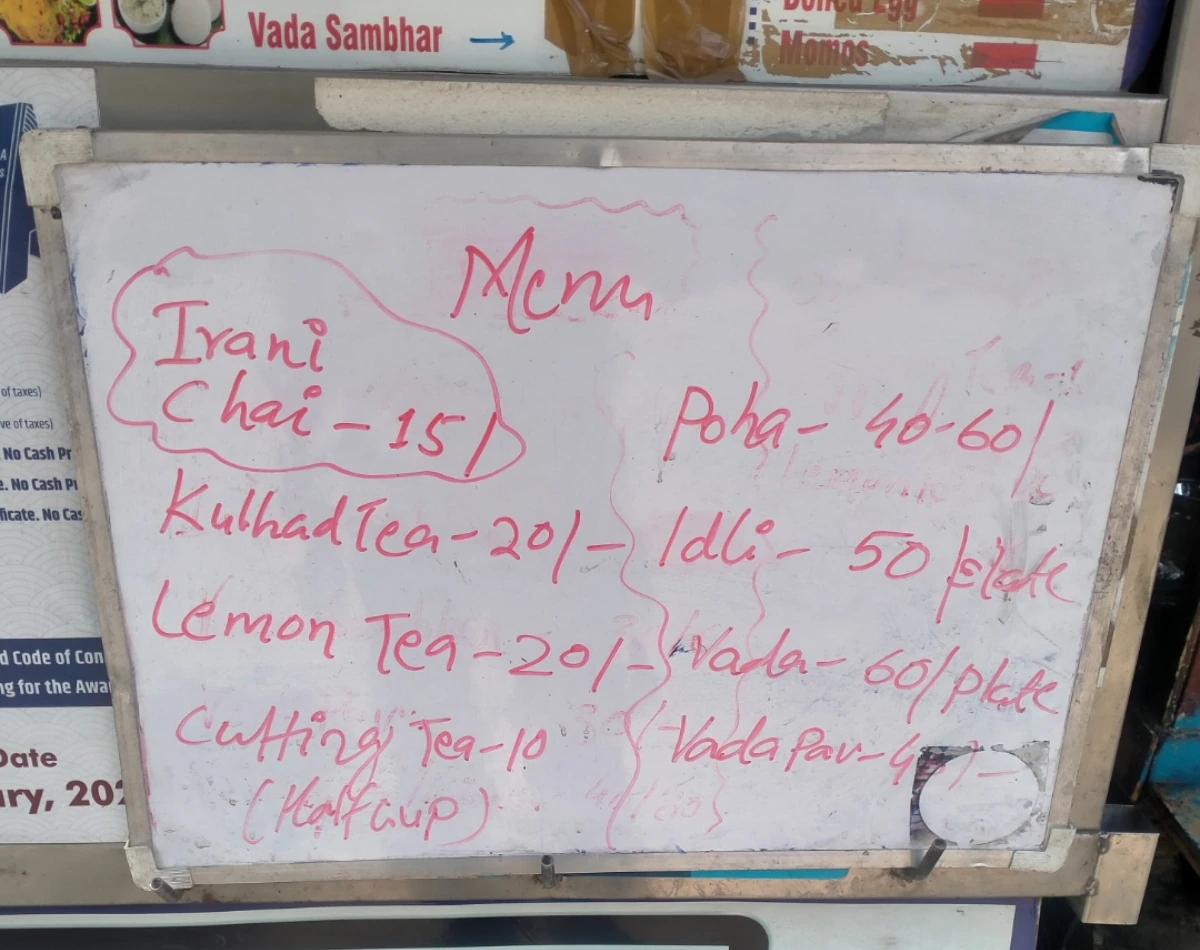
tea rate increase
LPG Crisis Impact: The disruption in oil and gas imports due to the US-Israel-Iran conflict in the Middle East is beginning to impact India. The crisis is particularly acute for LPG (liquid petroleum gas), which is deepening. Gas companies have raised LPG prices, while the ban on commercial gas cylinder orders has been felt on everything from morning tea and breakfast to restaurant dinners. A cup of tea, which used to cost 10 rupees yesterday, has become 15-20 rupees in a single day. The gas shortage has made puri-sabzi plates more expensive, prompting many restaurants to change their menus. The situation is so severe that local shopkeepers are reporting bids for gas cylinders, reportedly reaching 2000-2500 rupees or more.

There is panic due to increasing LPG crisis.
The blockage in the Strait of Hormuz due to the war between America-Israel and Iran has almost put a stop on oil and gas imports. This has increased the problems in other countries dependent on oil and gas imports including India. In India, the government has taken many steps in a hurry in view of the LPG crisis, but the situation on the ground level seems to be continuously worsening. The government has ordered the oil companies to increase domestic LPG production, while the ban on commercial LPG cylinder orders in the country has increased the worries of small businessmen to big restaurants and hotels.
The war between the US, Israel, and Iran may be raging nearly 3,000 kilometers away, but its impact is being felt in India, from household kitchens to hotels and restaurants. This is because India imports over 60% of its domestic LPG needs, and approximately 85-90% of these imports come through the Strait of Hormuz, which is closed due to the war. The country consumes approximately 31 million tons of LPG annually, of which 87% is used by households, while the remainder is used by hotels and restaurants.
Tea became expensive in a single day.
Referring to the acute shortage of LPG cylinders, the street vendors said that gas cylinders are most essential in our tea and snacks business and due to its unavailability, many shopkeepers have been forced to close their shops.
During this conversation, when we looked at the price list, we noticed changes. A cup of cutting tea, which used to cost ₹7, now costs ₹10, while a cup of tea that used to cost ₹7, now costs ₹10, while a cup of tea that used to cost ₹10 has been increased to ₹15. At many other shops, the price of a full cup of tea, which which previously cost ₹15, has been raised to ₹20. Furthermore, the prices of other breakfast items have also increased.
From puris and vegetables to golgappas, everything is expensive.
Not only has the price of tea increased, but everything from breakfast to dinner is also being affected by inflation. Due to the unavailability of cylinders or the compulsion to buy them at exorbitant prices in the black market, even even a plate of puri and vegetables sold at street vendors has become more expensive, rising from 25 to 30 rupees. We spoke to a golgappa seller in in Sector 44, Noida, who told us that a plate that used to sell 8 golgappas for 20 rupees now contains only 5 golgappas. When asked the reason for this, his reply was straightforward, “Sir, the cylinder now costs 2400 rupees.” This means that the crisis is becoming more severe at the grassroots level.
Restaurants have changed their menus, people have given up on gas cylinders.
Not only small shopkeepers, but big hotel and restaurant owners are also worried. Many restaurants have changed their menus, while at dhabas, there has been a reduction in the items served in the thali. Matar Paneer, which used to be served with dal, roti and seasonal vegetables, has been removed and where it is being served as before, the price of the the thali has been increased. Be it Delhi-Noida or Bengaluru, the situation is similar in every city.
Due to the LPG crisis, restaurants are now focusing on essential food items. Furthermore, they are emphasizing the use of electric tandoors and induction cooktops instead of cylinders for cooking. Reports suggest that commercial cylinders are now being purchased through various sources, with an additional cost of ₹500-₹100 per cylinder.