

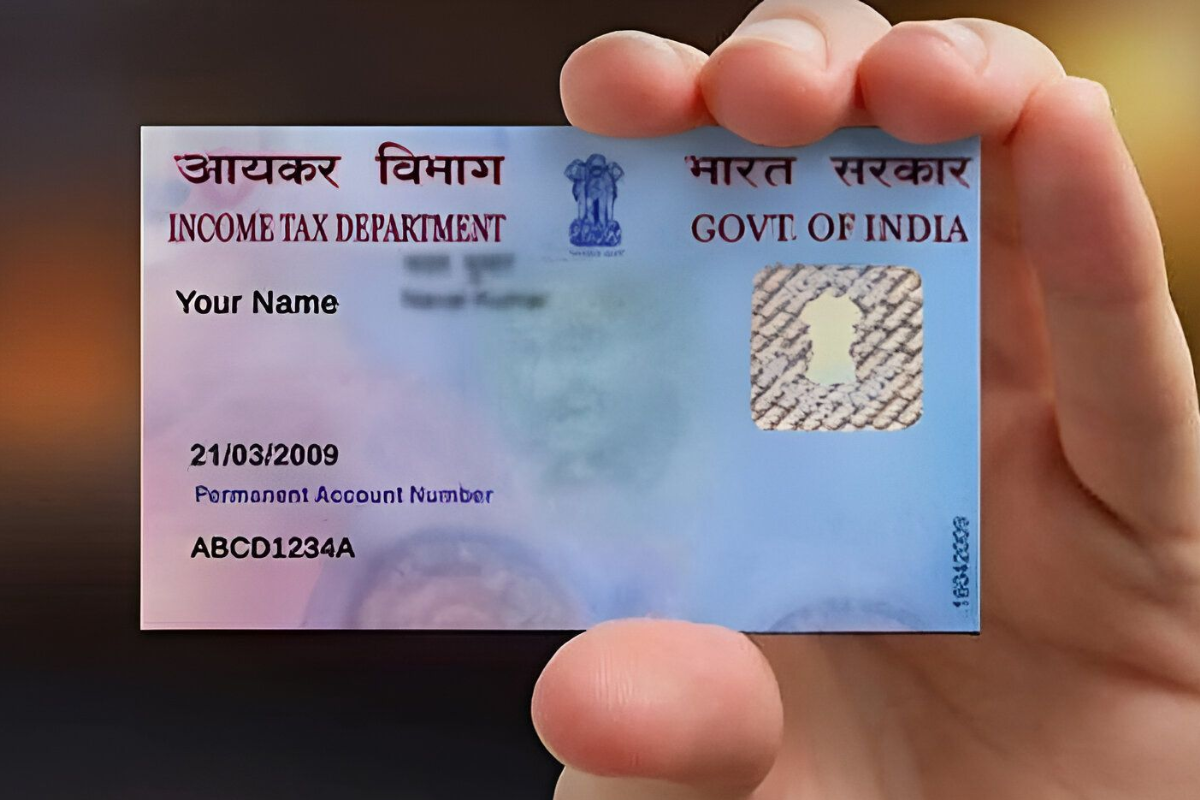
Draft Income Tax Rules 2026: PAN Mandatory for ₹10 Lakh Cash Deals, ₹5 Lakh Vehicle Purchases; CBDC Recognised as Electronic Payment
Big PAN Rule Changes Ahead for Cash Deals, Cars and Property Buys: The government has proposed several significant changes in the draft Income Tax Rules following the presentation of the Union Budget on February 1 by Finance Minister Nirmala Sitharaman. The Central Board of Direct Taxes (CBDT) has released draft rules and forms related to the proposed Income Tax Act, 2025, inviting public feedback.
The proposed Income Tax Rules, 2026 aim to tighten compliance norms by expanding the requirement of Permanent Account Number (PAN) across various financial transactions, including cash dealings, property purchases, vehicle purchases, hotel payments, and even crypto exchanges.
PAN for High-Value Cash Transactions
As per the draft rules, PAN will be mandatory for cash deposits or withdrawals aggregating ₹10 lakh or more in a financial year across one or more bank accounts.
Currently, PAN is required for cash deposits exceeding ₹50,000 in a single day. The proposed change shifts the focus from daily transactions to the total annual amount, potentially widening the reporting scope.
PAN Required for Vehicle Purchases Above ₹5 Lakh
The government has also proposed changes in PAN requirements for vehicle purchases. Under the new draft rules, buyers will have to provide their PAN number when purchasing a car or bike priced above ₹5 lakh.
At present, PAN is not required for buying a two-wheeler, and it is mandatory for cars even at lower price points. The proposed revision aims to rationalise and standardise the threshold.
Property Transactions: Limit Raised to ₹20 Lakh
In property-related matters, the threshold for mandatory PAN disclosure is proposed to be increased from ₹10 lakh to ₹20 lakh for transactions such as purchase, sale, gift, or joint development agreements involving immovable property.
This change may reduce compliance burden for smaller property transactions while continuing to monitor high-value deals.
PAN for Hotel and Event Payments
The draft rules also propose increasing the PAN requirement limit for payments made to hotels, restaurants, banquet halls, convention centres, or event management companies. Under the new rules, PAN will be required for payments exceeding ₹1 lakh.
Currently, the limit stands at ₹50,000.
Reporting for Crypto and Service Value Increase
In a significant move towards digital financial regulation, the draft rules propose mandatory reporting to the Income Tax Department for increases in the value of services provided by companies and for crypto exchange transactions.
Additionally, the draft formally recognises Central Bank Digital Currency (CBDC) as a valid electronic payment method under tax rules, aligning taxation policy with India’s digital currency framework.
The CBDT has invited stakeholders and the public to submit feedback on the draft rules before they are finalised.
If implemented, these changes could significantly impact high-value financial transactions and strengthen tax compliance mechanisms across sectors.